|
Antwerp and diamonds Site Home - What's New?-Feedback - About Jack-Travel/Art Links |
Belgium |

| Antwerp
main page
Diamonds in Antwerp (1)
|
Getting out of Central
station, take left into the Pelikaanstraat, now in a complete chaos during the
construction of a TGV station (end 2003). Take the first to the right into the
Vestingstraat and left in the Rijfstraat. Impossible to circulate from now on by
car without showing proper permissions and badges. The barriers only open for
recognized furnishers and at the slightest doubt the car is searched and turned
upside down. All suspect object is immediately removed. Even bicycles cannot be
left in front of the Sepharad synagogue in the Hovenierstraat or one of the four
Diamond Exchanges. All these streets since you entered the Vestingstraat line up
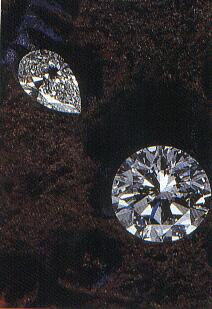
their polyglot signboards, display-window after window, where brilliants,
necklaces, rings, bracelets and al sort of jewels glitter. Tradition creates
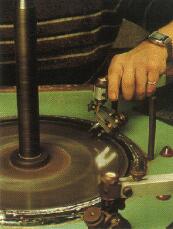
obligations: Antwerp polishes diamonds since 6 centuries. This area houses
hundreds of small polishing and diamond cutting ateliers. And the four diamond
exchanges are there to survey the quality of the finished product and the
regularity of the commerce.
The “little stone” (‘t steentje in Flemish) is generally negotiated behind
tables in the Diamond Exchange (Diamantbeurs) or in the offices of the big
dealers and manufacturers. When they make a deal, Jews say in Yiddish “Mazal
and Broche” (good luck and
blessing). Businesses are done with a moral contract. The mutual confidence is
essential; a word is a word, a promise a promise. If you have the opportunity to
visit the inside of one of the exchanges you will see a board where all those
who failed their word are posted and excluded from all world exchanges. It’s a
way to keep a respect for the silent law, which is so important in the Antwerp
diamond world. Excluded from the Bourse, the merchant will be banned from
everywhere he will present his goods, and should in fact stop his career. |